
Strategic Planning & Facilitation: Turning Evidence into a Strategic Plan

Magate logo - white horse on green moss agate stone. A black man, a white woman, a missed woman and a white man in a strategic planning session led by a black woman facilitator with a strategic planning flowchart on a flipchart stand.

Effective strategic planning requires more than a well-designed workshop, a collection of analytical tools, or agreement on organizational priorities. It requires a structured, participatory process through which evidence is interpreted, strategic choices are made, and organizational commitment is secured.

The preceding articles in this series examined the foundations of strategic planning: preparation, environmental scanning, organizational and current-state assessment, and stakeholder engagement, assessment and analysis. These activities provide the evidence and insights needed to inform strategy development.

The strategic planning exercise brings these elements together, enabling participants to move from understanding their organization’s circumstances to determining its future direction.

Understanding the Strategic Planning Process

Strategic planning establishes an organization’s long-term direction, priorities, intended results, and approaches to achieving them. It connects organizational purpose and aspirations with strategic choices, resource allocation, implementation, and performance measurement.

An effective planning workshop begins by establishing workshop norms, objectives and a common understanding of strategic planning terminology, concepts, and processes. Participants should understand the distinctions between corporate strategic planning and strategic operational planning, including how organizational priorities translate into departmental, functional, team, and individual responsibilities.

The five levels of strategic planning should also be clarified within the organization’s planning framework, ensuring participants understand how decisions and responsibilities connect across organizational levels.

The proposed strategy formulation approach, workshop objectives, expected outputs, and decision-making arrangements should be explained before substantive deliberations begin.

The Role of Strategic Planning Facilitation

A strategic planning facilitator does more than manage an agenda or encourage participation. The facilitator creates the conditions for constructive discussion, thoughtful examination of alternatives, shared understanding, and collective decisions about organizational direction.

Four competencies are particularly important:

  • Active listening: Understanding participants’ perspectives, identifying underlying concerns, and ensuring contributions are accurately interpreted.
  • Effective communication: Explaining complex concepts clearly, asking purposeful questions, summarizing discussions, and maintaining a common understanding.
  • Group dynamics management: Encouraging balanced participation, managing dominant voices, and helping participants navigate different stages of group development.
  • Conflict resolution: Managing disagreements constructively, distinguishing competing interests from substantive strategic differences, and facilitating acceptable resolutions.

At Magate Wildhorse Ltd., strategic planning is led by a trained facilitator with additional training in workshop design, corporate strategy planning for government, and the Balanced Scorecard approach.

Our facilitation methodology incorporates group process techniques that help participants navigate the forming and storming stages of group development while progressing toward productive collaboration and consensus.

Techniques such as brainstorming, clustering, naming, and consensus-setting support the identification, organization, interpretation, and prioritization of ideas. Participants are guided through processes of codification, elaboration, and conversion, transforming contributions into clearly articulated strategic choices and actionable commitments.

Establishing Strategic Direction

An important component of the strategic planning exercise is developing agreement on the organization’s desired future.

Participants examine the organization’s vision, mission, and values, considering whether these remain appropriate in light of changing circumstances and emerging aspirations.

Facilitated discussions support consensus on the vision, clarification or revision of the mission, and affirmation or refinement of organizational culture and values.

Where preliminary strategic directions have been developed through earlier assessments or leadership deliberations such as the board visioning exercise, these are presented for examination and expanded through participants’ contributions.

Potential growth and development options are explored, including opportunities for organizational expansion, service innovation, partnerships, market development, operational improvement, or institutional strengthening.

The objective is not simply to generate ideas but to make informed choices about where the organization should concentrate its efforts.

Connecting Strategic Choices to Organizational Reality

Although environmental scanning and organizational assessment precede the workshop, their findings must be actively integrated into strategy formulation.

Participants revisit relevant PESTLE findings, examining political, economic, social, technological, legal, and environmental influences. SWOT analysis helps consolidate organizational strengths, weaknesses, opportunities, and threats.

These discussions test whether proposed strategic directions are realistic, responsive, and aligned with organizational capabilities.

Additional tools, including force field analysis, may be used to identify forces supporting or resisting proposed changes.

Through facilitated dialogue, participants examine assumptions, strategic risks, competing priorities, resource constraints, and the implications of alternative courses of action.

Translating Strategy into Action

Strategic direction must eventually become an organized programme of action.

Participants identify strategic priorities, desired outcomes, critical initiatives, and the actions necessary to achieve them.

Related activities are clustered into task arenas, which are organized and named to establish clear areas of responsibility and implementation.

Planning templates are introduced to support Consistency in documenting objectives, initiatives, responsibilities, resources, performance indicators, and timelines.

Participants review SMART performance indicators—specific, measurable, achievable, relevant, and time-bound—to strengthen accountability and establish measurable expectations.

Working groups may then be formed, with participants volunteering responsibility for developing specific components of the plan or advancing priority initiatives.

Participants identify the financial, human, technological and other resources required to implement proposed strategic initiatives. Potential funding sources and financing options are explored, alongside existing budgetary allocations, resource gaps and opportunities for partnerships or resource mobilization. This helps ensure that strategic priorities are financially realistic and supported by appropriate resource planning.

Next, participants assess the Feasibility of proposed strategic initiatives, considering available resources, organizational capacity, potential risks and implementation constraints. Where competing priorities exceed available resources, strategic trade-offs are examined to determine which initiatives should be prioritized, deferred, modified or discontinued. These deliberations help ensure that strategic choices are realistic, sustainable and aligned with the organization’s mission and long-term objectives.

Commitments, timelines, milestones, and immediate next steps are agreed upon before the workshop concludes.

Selecting Appropriate Strategy and Performance Frameworks

Different organizations require different tools for articulating and implementing strategy.

Government organizations may employ logic models, theories of change, and strategy maps to connect policy objectives, interventions, outputs, outcomes, and public value.

Nonprofit organizations frequently use theories of change and strategy maps to explain how their activities contribute to intended social outcomes.

Private sector organizations may use the Business Model Canvas, Balanced Scorecard, strategy maps, or Objectives and Key Results (OKRs) to articulate their business models, strategic objectives, performance priorities, and desired results.

These approaches are not exclusive to particular sectors. Their selection should reflect organizational purpose, operating context, planning maturity, and performance management needs.

The workshop should also introduce the proposed performance monitoring and evaluation framework, including how progress will be tracked, results evaluated, and strategic adjustments informed.

Consolidating the Strategic Plan

As the workshop progresses toward closure, participants review planned tasks, agreed actions, responsibilities, and timelines.

The outcomes provide the basis for preparing the draft strategic plan, which should capture strategic direction, priorities, objectives, implementation arrangements, and performance expectations.

Participants reflect on the emerging plan, considering its coherence, feasibility, organizational alignment, and potential implementation challenges.

Critical success factors are identified to clarify the conditions necessary for effective execution. Where appropriate, participants may also develop a guiding slogan that captures the strategic ambition and helps sustain commitment throughout the planning cycle.

A final review confirms outstanding matters, follow-up responsibilities, and arrangements for completing and validating the draft plan.

The workshop concludes with participant reflection, session evaluation, and formal closure.

Beyond the Planning Workshop

A successful strategic planning workshop is not measured solely by the volume of ideas generated or the completion of a planning document.

Its value lies in the quality of strategic choices, the extent of shared understanding, the strength of organizational commitment, and the readiness to translate decisions into action.

Effective facilitation helps organizations navigate complexity, engage diverse perspectives, resolve competing priorities, and establish a common direction.

However, the workshop is a critical milestone rather than the conclusion of strategic planning. Strategy must subsequently be refined, documented, communicated, implemented, monitored, evaluated, and adapted.

At Magate Wildhorse Ltd., we approach strategic planning and facilitation as an integrated process that connects evidence, participation, strategic decision-making, and implementation readiness. Our objective is to help organizations develop strategies that are not only credible and ambitious but also practical, measurable, and supported by those responsible for delivering results.

Magate Wildhorse Ltd. provides strategic planning, stakeholder engagement, assessment and analysis, as well as environmental scanning services to support organizations in developing evidence-informed strategies and strengthening organizational performance.

Share your thoughts on social media or by email at: magate.wildhorse@gmail.com.

To request a solution, fill our service request form below:

https://forms.gle/Gr1eaDuCb3KbX1YC6

Written by Meegan Scott. Copyright © 2026 Meegan Scott and Magate Wildhorse Ltd. All rights reserved.
Stakeholder Engagement, Assessment & Analysis: Strengthening the Strategic Planning Process

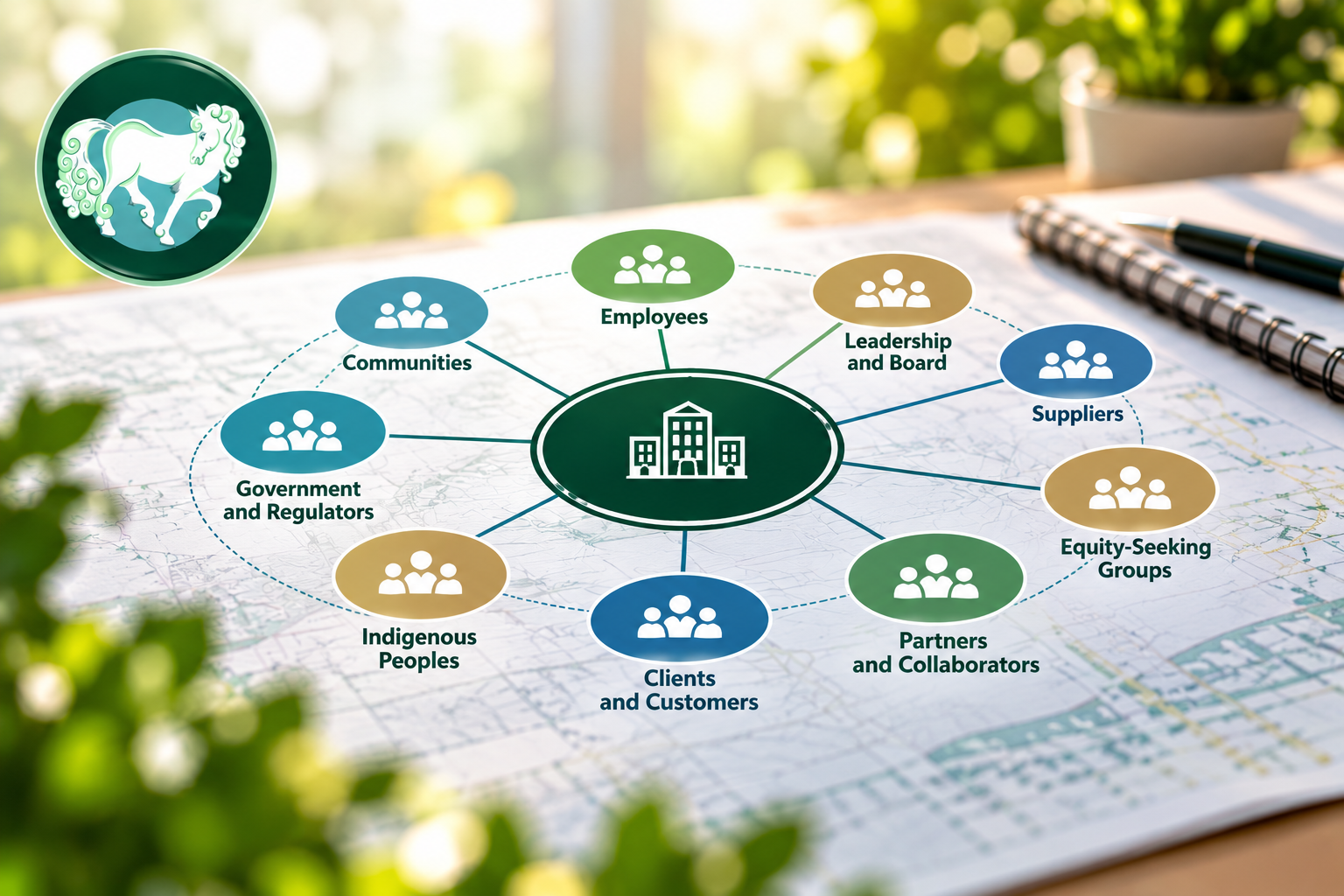
Magate logo, horse on green stone, stakeholder map, notebook and pen (partial view), plants.

Strategic planning is not an exercise that organizations should undertake in isolation. The effectiveness of a strategic plan depends, in part, on how well an organization understands the people, groups and institutions that influence its success, contribute to its operations, or are affected by its decisions.

Stakeholder engagement, assessment and analysis are therefore important components of the strategic planning process. Although closely related, they serve distinct but complementary purposes. Stakeholder assessment helps organizations evaluate relationships, experiences and outcomes associated with the implementation of an existing strategic plan. Stakeholder analysis helps identify and understand the interests, influence and potential impact of stakeholders as an organization prepares its next plan. Stakeholder engagement provides opportunities for dialogue, consultation, collaboration and the development of shared understanding.

Stakeholder Assessment: Learning from the Existing Strategic Plan

As an organization approaches the end of its strategic planning cycle, evaluating the implementation and results of the expiring plan is essential.

Stakeholder assessment forms part of this evaluation and the broader organizational or current-state assessment. It examines who contributed to, influenced or was affected by the strategic plan and how effectively the organization responded to their needs and expectations.

Important questions include:

  • Which stakeholder groups participated in implementing the plan, and what contributions did they make?
  • To what extent were stakeholder needs and expectations met?
  • How effective were the organization’s relationships and communication with stakeholders?
  • What challenges, conflicts or unmet expectations emerged?
  • What lessons should inform the next strategic planning cycle?

Stakeholder assessment can reveal gaps between organizational intentions and stakeholder experiences. It can also identify changes in stakeholder relationships, emerging concerns, and opportunities to strengthen organizational performance.

The findings should contribute to the evaluation of the expiring strategic plan and provide evidence for decisions about the organization’s future direction.

Stakeholder Analysis: Understanding Interests, Influence and Impact

Stakeholder analysis is particularly important during preplanning and the environmental scanning process. It helps organizations identify individuals, groups and institutions that can influence, contribute to or be affected by their activities and strategic decisions.

The process begins with stakeholder identification and classification. Stakeholders may be categorized as primary or secondary, internal or external, depending on their relationship with the organization.

Primary stakeholders generally have a direct relationship with, or are directly affected by, organizational activities. Secondary stakeholders may influence the organization’s operating environment or be indirectly affected by its decisions.

Once identified, stakeholders can be mapped and analyzed according to their interests, influence, potential impact, expectations and relationships.

An important objective is to understand the value stakeholders seek from their relationship with the organization. Different groups may have competing priorities, but they may also share interests that create opportunities for cooperation.

The strategic challenge is not simply to identify these interests. It is to discover connections among them and develop solutions that align stakeholder expectations with organizational purpose and strategic objectives.

Tools for Stakeholder Mapping and Analysis

Several analytical tools can support this process.

Stakeholder Interest–Influence–Impact Mapping examines the interests of stakeholder groups, their ability to influence organizational decisions, and the extent to which they may affect or be affected by organizational activities. It helps planners determine appropriate engagement strategies and identify relationships requiring particular attention.

The Power–Interest Grid classifies stakeholders according to their level of influence or power and their interest in organizational activities. It provides a practical framework for determining how different stakeholder groups should be engaged, informed or consulted.

The Stakeholder Issues Matrix identifies the issues, concerns, expectations and priorities associated with different stakeholder groups. It can highlight common interests, conflicting demands and emerging strategic issues requiring organizational attention.

The Stakeholder Salience Model, developed by Mitchell, Agle and Wood, offers another approach to stakeholder prioritization. The model examines three attributes:

  • Power: The stakeholder’s ability to influence the organization or its decisions.
  • Legitimacy: The perceived appropriateness or validity of the stakeholder’s claims or relationship with the organization.
  • Urgency: The extent to which stakeholder claims require immediate attention.

By considering these attributes together, organizations can better understand which stakeholder claims demand attention and how stakeholder priorities may change over time.

However, stakeholder prioritization should not result in the exclusion of groups with limited power. Stakeholders who are significantly affected by organizational decisions may have important perspectives even when they lack the influence to command attention.

Stakeholder Engagement: Moving Beyond Consultation

Stakeholder engagement involves more than collecting opinions. It is a process through which organizations communicate, listen, exchange knowledge, explore competing interests and, where appropriate, collaborate on solutions.

Effective engagement helps organizations test assumptions, identify overlooked issues, build relationships and improve the quality of strategic decisions.

Engagement approaches may combine quantitative, qualitative and collaborative techniques, including:

  • Surveys and questionnaires
  • Individual stakeholder interviews
  • Focus groups and ideation sessions
  • Town halls and open forums
  • Workshops and design charrettes
  • Advisory committees and task forces
  • Stakeholder mapping and analysis exercises
  • Social network analysis

The selection of methods should reflect the purpose of the engagement, the characteristics of stakeholder groups, available resources and the decisions to be informed.

For example, surveys may capture perspectives across a large stakeholder population, while interviews and focus groups can provide deeper insights into experiences, expectations and concerns. Collaborative workshops can help stakeholders explore alternatives and identify areas of common interest.

Engagement should also be inclusive and accessible, providing meaningful opportunities for groups whose perspectives may otherwise be overlooked—such as equity seeking groups.

Integrating Stakeholder Findings into Strategic Decisions

The value of stakeholder assessment, analysis and engagement ultimately depends on how their findings are used.

Information gathered through these processes should inform the organization’s environmental scan, assessment of its current position, identification of strategic issues, and development and evaluation of strategic options.

Stakeholder findings can reveal opportunities for partnerships, changes in service needs, emerging risks, resource constraints and areas where organizational priorities require reconsideration.

They can also help identify tensions between stakeholder expectations and organizational capacity. Such tensions require strategic choices rather than promises that every interest can be accommodated.

Where interests overlap, organizations should explore solutions that create shared value. Where they conflict, transparent decision-making and clear communication become particularly important.

Stakeholder engagement should not end when the strategic plan is approved. Continued engagement during implementation, monitoring and evaluation enables organizations to assess progress, respond to changing circumstances and maintain relationships.

Conclusion

Stakeholder engagement, assessment and analysis are interconnected activities that strengthen strategic planning when applied systematically.

Assessment provides lessons from the implementation of the existing plan. Analysis develops an understanding of stakeholders and their interests, influence and potential impact. Engagement creates opportunities to gather evidence, build understanding and explore solutions.

Together, these processes help organizations move beyond internally driven planning towards strategies that are better informed, more responsive to their operating environments and more capable of generating meaningful results.

Magate Wildhorse Ltd. provides strategic planning, stakeholder engagement, assessment and analysis services to support organizations in developing evidence-informed strategies and strengthening organizational performance.

Share your thoughts on social media or by email at: magate.wildhorse@gmail.com.

To request a service, fill our service request form below:

https://forms.gle/Gr1eaDuCb3KbX1YC6

Written by Meegan Scott. Copyright © 2026 Meegan Scott and Magate Wildhorse Ltd. All rights reserved.

Organizational Assessment and Current-State Assessment: Informing Strategic Planning

Building an evidence-based understanding of organizational performance, capacity and readiness for strategic change.

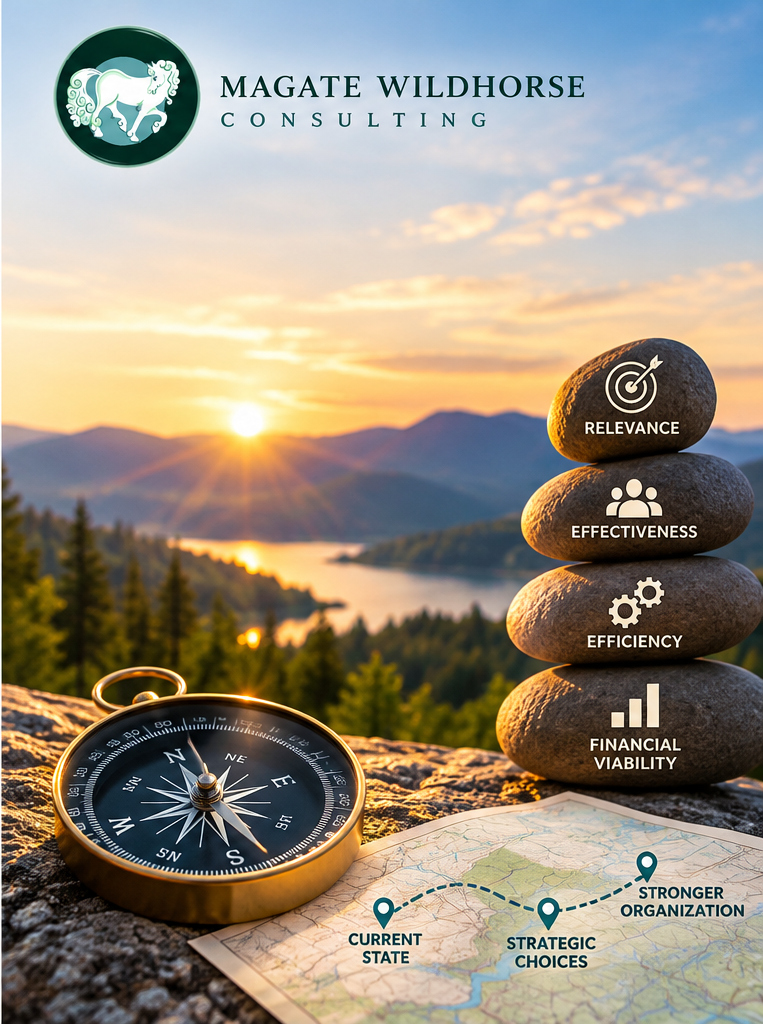
Magate Wildhorse logo, white horse on green moss agate stone. mountains and sunshine in the background, trees, rocks with the words, relevance, effectiveness, efficiency, financial viability stacked in the foreground with a compass and a map with current state, strategic choice and stronger organization mapped.

A strategic plan must be grounded in an accurate understanding of the organization it is intended to guide. Ambitious goals alone do not establish whether an organization has the capacity, resources, systems or readiness to deliver them. Organizational assessments and current-state assessments provide evidence that helps leaders make realistic strategic choices.

Although related, these assessments are not interchangeable. Their scope and purpose differ.

Understanding the Distinction

An organizational assessment is a comprehensive examination of an organization’s performance, capacities and functioning. It can consider governance, leadership, organizational culture, management practices, technical capabilities, financial viability, operating systems and relationships with the external environment. Its applications extend beyond strategic planning to institutional strengthening, organizational development and performance improvement.

A current-state assessment conducted for strategic planning is generally more focused. It establishes a baseline of the organization’s position on matters relevant to the strategic decisions ahead. It may draw selectively on organizational assessment methods, performance evidence, stakeholder perspectives and environmental scanning without examining every dimension of organizational functioning.

In either exercise, the Evaluand—the subject being assessed—is the organization, not individual office holders. Assessing governance and leadership arrangements is not the same as appraising individual board members or executives. The purpose is to understand how organizational functions contribute to results and where improvements are needed.

Four Questions About Organizational Performance

A key reference for Magate Wildhorse Consulting is the Universalia/International Development Research Centre (IDRC) Institutional and Organizational Assessment Framework. It considers organizational performance through four important questions:

Effectiveness: How successfully is the organization fulfilling its mission and achieving intended results?

Efficiency: How well does it use available resources to deliver services and achieve results?

Relevance: Has it adapted to changing needs, stakeholder expectations and conditions in its operating environment?

Financial viability: Can it secure and manage the resources necessary to sustain its work?

The framework also recognizes the influence of organizational capacity, motivation and the external environment. These dimensions help explain not only how an organization is performing but why. The ability to interpret and use assessment results is essential to achieving improvements.

Frameworks and Tools That Deepen the Diagnosis

No single instrument captures every dimension of organizational performance. Magate Wildhorse draws on established approaches, selecting tools according to the assessment’s purpose and the organization’s context.

Universalia/IDRC Institutional and Organizational Assessment Framework: Supports an integrated assessment of performance and its underlying influences.

McKinsey Organizational Capacity Assessment Tool (OCAT): Supports structured consideration of organizational capacities, strengths and areas for development.

McKinsey 7-S Framework: Examines alignment among strategy, structure, systems, shared values, skills, style and staff. A strategy may be sound but difficult to implement when these elements are misaligned.

Governing Good Board Self-Evaluation Questionnaire: Supports reflection on governance practices, board effectiveness and opportunities to strengthen oversight and strategic stewardship.

TCC Group’s Core Capacity Assessment Tool (CCAT): Identifies leadership, adaptive, management and technical capacities, alongside organizational culture. Magate Wildhorse draws on selected questions relating to these dimensions when assessing organizational leadership, board-related practices and capacity. Using selected questions does not mean administering the full CCAT instrument.

Other methods may include document and policy reviews, interviews, surveys, facilitated discussions, stakeholder analysis, process mapping, SWOT analysis, gap analysis, financial review and examination of performance indicators. The choice of methods should follow the assessment questions, not the other way around.

Why the Assessments Matter for Strategic Planning

They establish an evidence-based baseline. Leaders can distinguish demonstrated strengths and constraints from assumptions and compare future performance with an informed starting point.

They reveal strategic capacity gaps. An organization may wish to expand services but lack sufficient staffing, funding, technology or management systems. An assessment makes those limitations visible before commitments are made.

They improve strategic prioritization. Findings help leaders distinguish immediate operational problems from issues that require longer-term strategic responses. They also reveal opportunities to build on existing capabilities.

They strengthen organizational learning and accountability. Evidence about performance, governance and stakeholder needs can support more constructive dialogue about change, provided findings are used to improve the organization rather than assign personal blame.

They connect organizational realities with environmental change. A current-state assessment for strategic planning should consider relevant external developments alongside internal evidence, so that strategic choices respond to both capability and context.

From Evidence to Strategic Choices

A useful assessment does more than catalogue strengths and weaknesses. It examines patterns, tests findings across multiple sources and identifies implications for action.

An example from Magate Wildhorse’s consulting experience illustrates the value of evidence-based assessment. During an organizational assessment, some members expressed the view that the organization’s mission had become outdated. However, the assessment found that the mission remained highly relevant. This finding demonstrated the importance of testing perceptions against evidence before making decisions about an organization’s strategic direction.

The lesson is significant: organizational assessment does not necessarily establish a need to change an organization’s mission. It may instead confirm that the mission remains appropriate while identifying other aspects of organizational performance or capacity that require attention.

Consider also a nonprofit experiencing growing demand for services. An assessment may reveal strong community trust but limited unrestricted funding and overextended staff. A plan promising rapid expansion without addressing those constraints would be unrealistic. A stronger strategy might prioritize funding diversification, operational improvements and partnerships.

These examples demonstrate why assessment findings must be translated into strategic decisions, resource implications, implementation priorities and measures of progress.

A Credible Starting Point

Organizational assessment offers a comprehensive understanding of institutional performance and capacity. A strategically focused current-state assessment provides the targeted baseline needed to inform the next planning cycle. Either can strengthen strategic planning when its scope is appropriate, its evidence is credible and its findings are put to use.

Magate Wildhorse Consulting helps nonprofits, government departments and international development organizations connect organizational assessment, current-state analysis, environmental scanning and stakeholder engagement with evidence-informed, participatory strategic planning. The objective is not simply to produce a plan, but to develop a strategy grounded in organizational reality and capable of guiding meaningful change.

Share your thoughts on social media or by email at: magate.wildhorse@gmail.com.

To request a solution, fill our service request form below:

https://forms.gle/Gr1eaDuCb3KbX1YC6

Written by Meegan Scott. Copyright © 2026 Meegan Scott and Magate Wildhorse Ltd. All rights reserved.

Virtual Roundtable — Chamber of Commerce, Businesses & Trade Experts

chamber of commerce and trade roundtable.v.1

OVERVIEW

Visible minority businesses and visible majority businesses and the industries they serve have been plunged into crisis as a result of SARS-CoV-2.

While some industries and businesses are facing existential challenges, others are booming. Still there are old industries to be resurrected and new ways for bringing those under threat into new or expanded supply chains.

As the pandemic linger and continue to flip  economic and social norms practitioners and researchers in trade, business, research, policy and international development must engage and work more closely together for driving rapid adaption, understanding of trends and helping countries to leverage and seize diaspora capital and pathways to new markets.

Economic development clusters, producers of geographical indications (GIs) and creative industry service providers must meet to discuss and plan the way forward.

This session aims to translate high level briefings to actions, policy and strategy directions for Chambers of Commerce and their members ― both established and diaspora entities (various diasporas and chambers).

Participants will be able to share challenges and opportunities with experts; as well as learn from experts.  The Roundtable will explore and discuss novel solutions and best practices for keeping sustainable trade, and safe supplies flowing in addition to leveraging diasporas, home and cultural knowledge for diaspora and domestic market economic recovery and growth.

Practitioners in international trade, development and businesses will create their network map and agree novel ways of working together and harvesting best and emergent practices for business and driving international trade while building stronger resilient organizations.

Industry focus: Climate finance, agri-business and foods, high value manufacturing, crafts, fashion, fragrance, healthcare, the creative industries, development consulting, and education

On the agenda, participants will discuss:

Tour of Chamber Economic Impacts and recovery: The impact of COVID-19 on diaspora and established chambers of commerce and their members. What are some new and proposed business models for stronger businesses during and post the coronavirus crisis challenging period and develop robust post-crisis business models?

Blockchain, Artificial Intelligence and Technology Adaption: It is clear that technology and its adaption saves human lives as well as businesses. But creating awareness on what and how for SMEs is often at a cost that widens the chasm of access and inequalities.  How can Chambers and development organizations work together to make facilitate awareness creation, reskilling and adaption?  What resources exist for reducing the barriers of access and cost of adaption?

Diaspora Capital, Economic Development Clusters & Sustainable Development: COVID-19 have left us little choice other than to build trust, collaborate and cooperate.   Finding local and global solutions requires that we meet, connect and risk it together for profit and growth.

How can industry clusters, chambers and development professionals  collaborate, facilitate capacity building and investment flow for driving innovation that contributes to long-term viability, sustainability and harmonious societies?

Dates and Times

Times are listed as EST [New York, Toronto, Jamaica] the Eastern Caribbean is now one hour ahead of North America and Jamaica

Monday November 16, 2020 – 2:00 – 3:35  PM EST

Tuesday, November 17, 2020  | 10:00 – 11:45  AM EST

Wednesday, November 18, 2020   –  1:00 PM EST – 2:45  PM EST

Friday, November 20, 2020   –  10:00 AM EST – 11:45  AM EST

Registration Form

(Click the words Registration Form above)

click words colour hand

Brought you by Magate Wildhorse Inc., New York in partnership with Magate Wildhorse Ltd, Toronto, The Community of Practice of Caribbean Immigrant Entrepreneurs (The CoP), Caribbean Diaspora Professional Business Association (CDPBA, and the Pan African Chamber of Commerce.

Copyright © 2020 by Meegan Scott, Magate Wildhorse Ltd .(Toronto), Magate Wildhorse Inc.,(New York). All rights reserved.

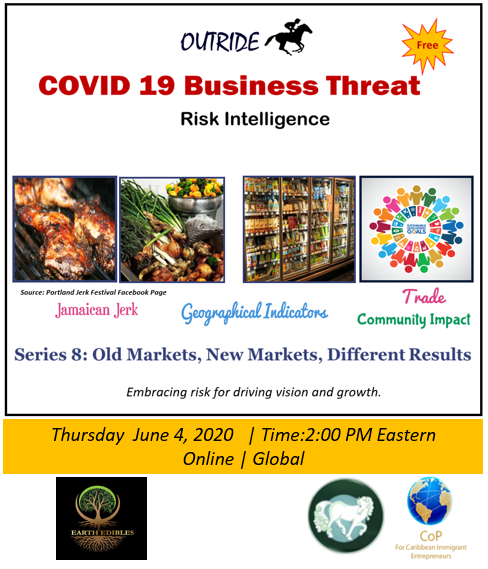
Outride: COVID 19 — Old Markets, New Markets, Different Results

Header for series with Rodney 8

Outride: COVID 19 Business Threat Seminar

“Embracing risk for driving vision and growth”

The series is grounded in risk intelligence (RI). RI is that process of embracing risks and putting it to work for ensuring your business can survive or thrive during a crisis and beyond. It is also about value creation and protection. About delivering your vision and mission in the face of crisis as well as during the “normal”.

You are invited to join us for series eight in the Outride: COVID 19 Business Threat Seminar.

Edition title: Outride: COVID 19 — Old Markets, New Markets, Different Results

We are now in the action planning and execution phase of this Caribbean diaspora entrepreneurs business continuity initiative which also caters to and welcomes Caribbeans at home, other members of the BAME community as well as mainstream entrepreneurs, development and community service organizations worldwide.

When: June 4, 2020  |  Time: 2:00 PM EST  | Toronto & New York

Where: Online  | Registration detail below

Cost: Free

Featured Sessions include:

Strategic Alliances between GI Producers & Diaspora presented by Massimo Vittori  This session addresses the subject of geograhical indicators and international trade.

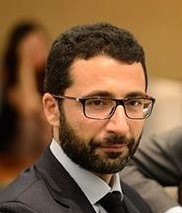
Vittori_safe_image_2

Massimo Vittori is the Managing Director of oriGIn.                                                            He is in charge of the Organization’s strategic planning and overall management. Massimo previously worked as legal advisor at the International Trade Center (ITC) – a technical assistance agency of the World Trade Organization and the United Nations – where he was in charge of several projects in the field of intellectual property, trade law harmonization, model contacts for SMEs and alternative business dispute resolution mechanisms. Massimo also worked at the United Nations Conference for Trade and Development (UNCTAD) on the improvement of developing countries’ investment climate through regulatory reforms.

Following his Bachelor’s degree in international Relations, Massimo obtained a Master’s Degree in International Law at the Graduate Institute of International and Development Studies of Geneva and an LL.M. in Intellectual Property at the University of Turin. Massimo regularly delivers seminars on GIs, trademarks, and trade related issues in several European Universities.

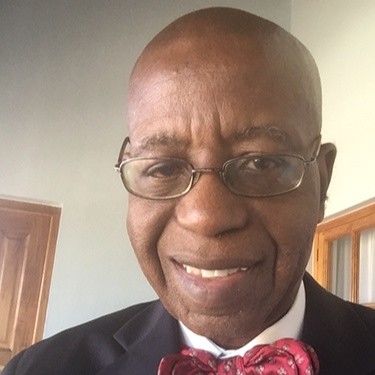
The Joy Spot Motivation Talk with Theo Chambers

Theo Chambers

Theo Chambers, Motivational Speaker and Business Coach Consultant, at CaribAcademy and Co-founder of Positive Tourism News (Jamaica). He is also the author of Theo’s Theory on Marketing and Management Strategies.

COVID 19 and Beyond — The Food Trade (An Overview) by Meegan Scott

10 Steps – to Resilience & Risk Intelligence Competent Assignment                         (Action, Not a Bag a Mouth!) by Meegan Scott

The Marathoner

Meegan Scott, is the Principal at Magate Wildhorse Consulting. For almost two decades Meegan has helped organizational leaders across industries and geographical borders to get better results from their strategy development, planning, and execution processes.  She is the founder and owner of Magate Wildhorse Ltd. Her most recent in Caribbean engagements includes Climate Finance Strategy Planning, The First Ever Outsource to the Caribbean Conference (2017), business incubation, and  corporate strategy planner to the National Environment and Planning Agency of Jamaica.

Event Rapporteur — Dania Sammott

Dania Headshot

Dania Sammott, is an experienced Retail Merchandizer and Travel Counsellor. Her experience include serving in the hypermarket sub-sector as well as in retail, pharmacy, food and household departments.  She is the Director, Public Relations for the Manchester High Alumni, Toronto, Chapter.

Event features: Joy Spot activity, Mouth and Mind discussion, COVID 19 business community experiences (open mic―diaspora, in Caribbean, other representatives of BAME or mainstream peers), Elevator pitches & network, review of prior topics in context of the assignment and action planning for helping individual businesses (entrepreneurs) get the best from the assignment. It is also aimed at helping those joining the series late to better understand the assignment, plan and execute their pivots.

Programme and Speakers (Click the link to view)

Registration Options

New to the series?

To receive your access link to the seminar please register at the link below.

https://forms.gle/PtpZAT8czWYExWpZ7

Returning attendees

Email us at magate.wildhorse (at)gmail.com  or click here.                                                Copy and paste the following in the subject line and body of your Email                          “Register me for Outride: COVID 19 — Old Markets, New Markets, Different Results”  please include your name.

All attendee must click the join meeting link provided before the start of the meeting to receive your unique log in credentials.

Procurement officers and buyers in search of COVID 19 and other supplies are welcome to participate.

Caribbean producers of geograghical Indicators (GI) are welcome to attend.

Outride: COVID 19 Business Threat Seminar is a global disapora entrepreneurs affair!                                                                                                                            Leaders of mainstream businesses with an interest in doing business with diaspora entrepreneurs are welcome to register for the match making and networking sessions.

Please note that this event is not just for small and micro-businesses, big businesses and big nonprofits can benefit also.

Commit to Evaluation for SDGs Prevent COVID

Brought to you by Magate Wildhorse Consulting, and The Community of Practise for Caribbean Immigrant Entrepreneurs (Home of BIDEM Conference & Trade Show)

Advance or maintain the progress.

You can’t spell BAME without the C.  The contribution of the Caribbean has been too significant.  The impact on the Caribbean community is significant and different BCAME (Black, Caribbean, Asian and Minority Ethnic Groups) #BCAME    #BAME

Footer sustainable develop seminar

Wealth and Community Impact—COVID 19 and Beyond

Outride Community Impact and Wealth Creation

Outride: COVID 19 Business Threat Seminar

“Embracing risk for driving vision and growth”

The series is grounded in risk intelligence (RI). RI is that process of embracing risks and putting it to work for ensuring your business can survive or thrive during a crisis and beyond. It is also about value creation and protection. About delivering your vision and mission in the face of crisis as well as during the “normal”.

You are invited to join us for series seven in the Outride: COVID 19 Business Threat Seminar.

Edition title: Wealth and Community Impact—COVID 19 and Beyond

We are now in the action planning and execution phase of this Caribbean diaspora entrepreneurs business continuity initiative which also caters to and welcomes Caribbeans at home, other members of the BAME community as well as mainstream entrepreneurs, development and community service organizations worldwide.

When: May 28, 2020  |  Time: 2:00 PM EST  | Toronto & New York

Where: Online  | Registration detail below

Cost: Free

Featured Sessions include:

“Diaspora Investment Opportunities: Rechanneling Remittances Towards Productive Capital & Climate Finance” presented by  Marlene Street Forrest.

Marlene Street Forrest

Marlene Street Forrest is the Managing Director of the Jamaica Stock Exchange and Director of its subsidiaries [the Jamaica Central Securities Depository Limited (JCSD) and the JCSD Trustee Services (JCSDTS)]. She is the helmswoman for driving advances in the development of the JSE Group.  Ms. Street Forrest is charged with ensuring  the exchange operates within an atmosphere of transparency and fairness. And that it utilizes suitable cutting-edge technology for providing the greatest possible efficiencies to the market.  She contributes from a wealth of experience gained while serving in senior management positions at a variety of private and public sector organizations in Jamaica and overseas. She studied management studies at the University of the West Indies, Mona, and later gained her MBA from the Barry University in Florida.

The Joy Spot Motivation Talk with Theo Chambers.

Theo Chambers

Theo Chambers, Motivational Speaker and Business Coach Consultant, at CaribAcademy and Co-founder of Positive Tourism News (Jamaica). He is also the author of Theo’s Theory on Marketing and Management Strategies.

“ Delivering Impact—Strategic Planning, Assessment and Involvement” by Meegan Scott. This session will focus on strategy planning, organizational assessment, evaluation and involvement for delivering and improving results using the proposed core-periphery governance model with market mode plugged in.

The Marathoner

Meegan Scott, is the Principal at Magate Wildhorse Consulting. For almost two decades Meegan has helped organizational leaders across industries and geographical borders to get better results from their strategy development, planning, and execution processes.  She is the founder and owner of Magate Wildhorse Ltd. Her most recent in Caribbean engagements includes Climate Finance Strategy Planning, The First Ever Outsource to the Caribbean Conference (2017), business incubation, and  corporate strategy planner to the National Environment and Planning Agency of Jamaica.

Perspectives: Imperatives for moving MSMEs – Diaspora Direct Investment Strategy (DDI) and Not Foreign Direct Investment (FDI) by Dr. K’adamawe A.H.N. K’nife


K'Nife in interview

Dr. K’nife is the Director of the Centre for Entrepreneurship Thinking and Practice (CETP). He is also a lecturer and researcher in the Mona School of Business and Management at The University of the West Indies (UWI), Mona. Dr. K’nife  holds a PhD in Sustainable Development and an MSc in Economics.

His areas of research are Entrepreneurship, Social Entrepreneurship and Strategic Planning for Sustainable Development. His research has informed the development of MSME and Entrepreneurship policies in Jamaica; as well as several international, national and sectorial strategic plans and programmes for sustainable community development within Jamaica and the wider Caribbean.

Event Rapporteur — Dr. Sophia Melanie Manning 

Dr Sophia Manning 2


Sophia Melanie Manning, D.Litt, MLA, BSBA, will capture, summarize and present the proceedings and  key outcomes of each segment. Dr. Manning is a professor of Humanities at Houston Community College.  She is also an independent researcher currently conducting a multi-phased collaborative ethnographic research project on global education.

Event features: Joy Spot activity, Mouth and Mind discussion, COVID 19 business community experiences (open mic―diaspora, in Caribbean, other representatives of BAME or mainstream peers), Elevator pitches & network, pipeline management & action planning.

Programme and Speakers (Click the link to view)

Registration Options

New to the series?

To receive your access link to the seminar please register at the link below.

https://forms.gle/PtpZAT8czWYExWpZ7

Returning attendees

Email us at magate.wildhorse (at)gmail.com  or click here.                                                Copy and paste the following in the subject line and body of your Email                          “Register me for Wealth and Community Impact—COVID 19 and Beyond ”  please include your name.

All attendee must click the join meeting link provided before the start of the meeting to receive your unique log in credentials.

Procurement officers and buyers in search of COVID 19 and other supplies are welcome to participate.

Outride: COVID 19 Business Threat Seminar is a global disapora entrepreneurs affair!                                                                                                                            Leaders of mainstream businesses with an interest in doing business with diaspora entrepreneurs are welcome to register for the match making and networking sessions.

Please note that this event is not just for small and micro-businesses, big businesses and big nonprofits can benefit also.

Stay safe have a laugh


Brought to you by Magate Wildhorse Consulting, and The Community of Practise for Caribbean Immigrant Entrepreneurs (Home of BIDEM Conference & Trade Show)

Advance or maintain the progress.

You can’t spell BAME without the C.  The contribution of the Caribbean has been too significant.  The impact on the Caribbean community is significant and different BCAME (Black, Caribbean, Asian and Minority Ethnic Groups) #BCAME    #BAME

Footer sustainable develop seminar

Risk Intelligence for Outriding COVID 19 — Key Questions, Practical Responses for SMEs

Risk Intelligence Tilman

Outride: COVID 19 Business Threat Seminar

“Embracing risk for driving vision and growth”

You are invited to join us for series four in the Outride: COVID 19 Business Threat Seminar.

Risk Intelligence for Outriding COVID 19                                                                        Key Questions, Practical Responses for SMEs

Risk intelligence is that process of embracing risks and putting it to work for ensuring your business can survive or thrive during a crisis and beyond.

This session answers questions related to:

  • response options for SMEs with zero to $5000 in operational cashflow
  • should struggling startups even bother to take a shot at it
  • key cultural, actions, frameworks and processes for medium sized or big businesses that are profitable and cash rich but need to grow agility and capacity to adapt.


Leo M. Tilman

Session Presenter: Mr. Leo M. Tilman

Leo is President and CEO of Tilman & Company, a global strategic advisory firm and a thought leader on strategy and risk intelligence. Previously, Mr. Tilman held senior positions with BlackRock, Capitol Peak, and Bear Stearns, where he was Chief Institutional Strategist and Senior Managing Director. He is the author of Agility (2019, with General Chuck Jacoby, former Commander of NORAD and US Northern Command ), Financial Darwinism (2008), Asset/ Liability Management (Ed, 2003), and Risk Management (2000).

Leo also co-authored “Brain as a Business Model” .

Known as a leading expert on risk, strategy, and finance.; and creator of the Corporate Risk Scorecard, a “Nutrition Label” for companies (Barron’s, 2013) and co-author of “Brain as a Business Model” (EFR, 2014).

Event features: Joy Spot activity, Mouth and Mind discussion, COVID 19 business community experiences (open mic―diaspora, in Caribbean, other representatives of BAME or mainstream peers), Elevator pitches (The first 20 registered to per series), networking session

Programme & Speakers, click to the preceding words to view.

Be with us for this diaspora business and non-profit leaders’ event.

Watch this space for updates.

When: Thursday, May 7, 2020  | 2:00 PM Eastern, Toronto & New York

Where: Online

Registration Options

New to the series

To receive your access link to the seminar please register at the link below if you missed series 1 last Thursday.

https://forms.gle/PtpZAT8czWYExWpZ7

Returning attendee

Email us at magate.wildhorse (at)gmail.com  or click here.                                                Copy and paste the following in the subject line and body of your Email                          “Register me for Customer Service, Value & Sales for Outriding COVID 19”  please include your name.

Procurement officers and buyers in search of COVID 19 and other supplies are welcome to participate.

Outride: COVID 19 Business Threat Seminar is a global disapora entrepreneurs affair! 

Leaders of mainstream businesses with an interest in doing business with diaspora entrepreneurs are welcome to register for the match making and networking sessions.

Please note that this event is not just for small and micro-businesses, big businesses can benefit alsol.

stay-home Contact less delivery

Click here to view the series shedule.

May 14, 2020                                                                                                            Series 5: Diaspora Supply Chain― Who’s Who

Brought to you by Magate Wildhorse Consulting, and The Community of Practise for Caribbean Immigrant Entrepreneurs (Home of BIDEM Conference & Trade Show)

Advance or maintain the progress.

Footer sustainable develop seminar

Nonprofit Governance and Response for Outriding COVID 19

Governance Edition Outride COVID 19

Outride: COVID 19 Business Threat Seminar

“Embracing risk for driving vision and growth”

You are invited to join us for series four in the Outride: COVID 19 Business Threat Seminar.

This edition entitled Nonprofit Governance and Response for Outriding COVID 19          is also grounded in the theme risk intelligence.

  • Find out how to create and preserve value during crisis
  • Considerations around crisis strategy planning ―short-term ―long term
  • Performance management, results
  • Evidence-based planning, evaluation, learning and improvement
  • Risk intelligence maturity
  • Learn how to leverage risk intelligence for boosting funding readiness
  • How to assess your risk culture and risk appetite
  • Getting ready for the next unexpected crisis
  • Check-in on Gender Equality, WEE and the impact of COVID 19 on Agency and Authority
  • Virtual business exhibition
  • Networking and fun

 Featured sessions:

  1.  Risk Intelligence for Outriding COVID 19 — Key Questions, Practical Responses for SMEs  with Leo M. Tilman, author of  Agility: How to Navigate the Unknown and Seize Opportunity in a World of Disruption. Leo is a leading expert on risk, strategy, and finance.

  2. Diaspora and Caribbean Non-profit Governance for Outriding COVID-19                 Meegan Scott, Strategic Management Consultant, Magate Wildhorse
  3. Panel Discussion & Comparative Cases Mainstream vs. Diaspora, Host, Home & Diaspora Opportunities with Andrew Sharpe of Authentic Caribbean Foundation, Boston, Philip Bedward of Pathways, New York, Tannisha Scarlett,  Life Media Productions Ltd (F.I.L.M. Productions Ltd.) and Agri Views, Jamaica
  4. Joy Spot, with Theo Chambers of CaribAcademy and Co-founder of Positive Tourism News (Jamaica) will deliver the Joy Spot, Motivational Talk

Event features: Joy Spot activity, Mouth and Mind discussion, COVID 19 business community experiences (open mic―diaspora, in Caribbean, other representatives of BAME or mainstream peers), Elevator pitches (The first 20 registered to per series), networking session

Programme & Speakers

  •  Theo Chambers, The Joy Spot
  • Philip Bedward of Pathways will lead on Comparative Cases Mainstream vs. Diaspora
  • Andrew Sharpe will lead on Diaspora, Host, Home & Diaspora Opportunities, USA
  • Rudi Page will lead on Diaspora, Host, Home & Diaspora Opportunities, UK
  • Tannisha Scarlett  will share on Home to Diaspora Opportunities (Jamaica), with a special focus on agribusiness
  • Meegan Scott, Moderator, producer and speaker on Diaspora and Caribbean Non-profit Governance for Outriding COVID-19

ProgramME Outride Governance Series


Be with us for this diaspora business and non-profit leaders’ event.

Governance and COVID 19 Word cloud


When: May 7, 2020  | 2:00 PM Eastern, Toronto & New York

Where: Online

Registration Options

New to the series

To receive your access link to the seminar please register at the link below if you missed series 1 last Thursday.

https://forms.gle/PtpZAT8czWYExWpZ7

Returning attendee

Email us at magate.wildhorse (at)gmail.com  or click here.                                                Copy and paste the following in the subject line and body of your Email                          “Register me for Nonprofit Governance and Response for Outriding COVID 19 ”  please include your name.

Procurement officers and buyers in search of COVID 19 and other supplies are welcome to participate.

Outride: COVID 19 Business Threat Seminar is a global disapora entrepreneurs affair!                                                                                                                            Leaders of mainstream businesses with an interest in doing business with diaspora entrepreneurs are welcome to register for the match making and networking sessions.

Please note that this event is not just for small and micro-businesses, big businesses and big nonprofits can benefit also.

stay-home Contact less delivery

Click here to view the series shedule.

May 7, 2020                                                                                                                Series 4: Nonprofit Governance and Response

Special SME segment – Risk Intelligence with Mr. Leo M. Tilman

May 14, 2020                                                                                                            Series 5: Diaspora Supply Chain― Who’s Who

Brought to you by Magate Wildhorse Consulting, and The Community of Practise for Caribbean Immigrant Entrepreneurs (Home of BIDEM Conference & Trade Show)

Advance or maintain the progress.

———————

The Case for Urgent Corona Virus & Infectious Disease Related Labour Law Review

An incident that influenced this edition. That entity ended up with an employee contracting and dying of COVID 19

Footer sustainable develop seminar

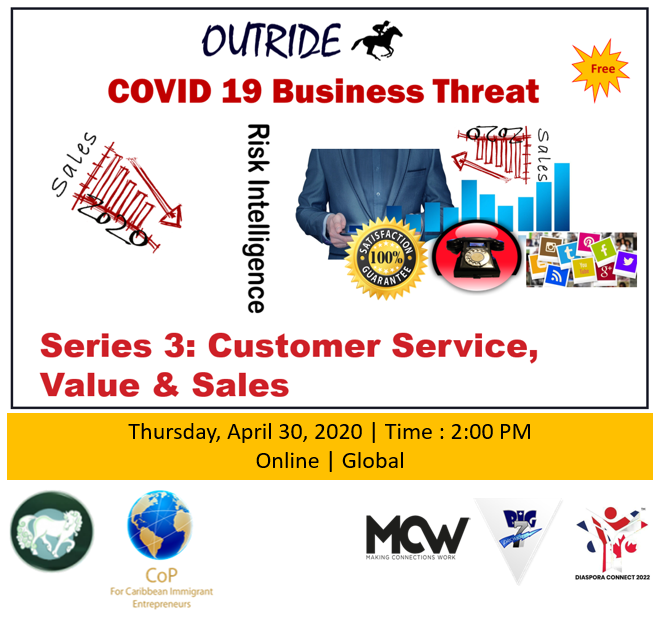
Customer Service, Value & Sales for Outriding COVID 19

April 30 Outride Customer Service

Outride: COVID 19 Business Threat Seminar

“Embracing risk for driving vision and growth”

You are invited to join us for series three in the Outride: COVID 19 Business Threat Seminar.

This edition entitled Customer Service, Value & Sales for Outriding COVID 19                it is also grounded in the theme, risk intelligence.

How is your sales pipeline since COVID 19?

What has dropped out of the funnel?

Is what’s to come bleaky our bountious?

  • Find out how to mind out sales opportunities, plan your pivot and manage performance for sustaining or growing your business  in crisis and pandemics like the corona virus.
  • Learn how to leverage online resources, social media marketing and ecommerce.
  • If you are already engaged in ecommerce come learn how to boost your results
  • Get a holistic perspective on what is quality service and customer satisfaction including where it all begins
  • Review your value, purpose, profit and delivering value
  • Find out about the 21st Century Competencies you’ll need to help you cushion the blow of the coronavirus crisis and help you power through the shock.
  • Share your experiences
  • Elevator pitches
  • Virtual business exhibition
  • Networking and fun

Featured sessions:

Leveraging Social Media Marketing to Deliver Your Pivot                                                with LaShanda Henry ― Web Business Strategist and Digital Content Creator            Founder of SistaSense Online Business Training and Support Solutions for Entrepreneurs

21st Century Competences for Outriding COVID 19 & Beyond with                              Rudi Page ― CEO, Making Connections Work & Co-Founder, SHEAMOIST Haircare System, London

Event features: Motivational movement, Mouths and Minds, COVID 19 business community experiences (open mic―diaspora, in Caribbean segment and mainstream peers), Elevator pitches (The first 20 registered to per series), one-on-one global matchmaking sessions, mainstream and diaspora entrepreneurs networking session

Programme & Speakers, click to the preceding words to view.

Be with us for this diaspora business and non-profit leaders’ event.

Please click the images below to view details.

Sales and Marketing with LaShanda Henry.v.2

RUDI Page century Competencies.v.3

When: April 30, 2020  | 2:00 PM Eastern, Toronto & New York

Where: Online

Registration Options

New to the series

To receive your access link to the seminar please register at the link below if you missed series 1 last Thursday.

https://forms.gle/PtpZAT8czWYExWpZ7

Returning attendee

Email us at magate.wildhorse (at)gmail.com  or click here.                                                Copy and paste the following in the subject line and body of your Email                          “Register me for Customer Service, Value & Sales for Outriding COVID 19”  please include your name.

Procurement officers and buyers in search of COVID 19 and other supplies are welcome to participate.

Outride: COVID 19 Business Threat Seminar is a global disapora entrepreneurs affair!                                                                                                                            Leaders of mainstream businesses with an interest in doing business with diaspora entrepreneurs are welcome to register for the match making and networking sessions.

Please note that this event is not just for small and micro-businesses, big businesses can benefit alsol.

stay-home Contact less delivery

Click here to view the series shedule.

May 5, 2020                                                                                                              Series 4a: Risk Intelligence with Mr. Leo M. Tilman                                                            President & CEO of Tilman & Company

May 7, 2020                                                                                                                Series 4: Nonprofit Governance and Response

Brought to you by Magate Wildhorse Consulting, and The Community of Practise for Caribbean Immigrant Entrepreneurs (Home of BIDEM Conference & Trade Show)

Advance or maintain the progress.

Footer sustainable develop seminar